

Turning 30 doesn’t suddenly transform your face overnight. You don’t wake up one morning with deep wrinkles, sagging skin, and dramatic volume loss. Instead, aging tends to arrive quietly. A line that lingers a little longer after smiling. Makeup that settles differently than it used to. Skin that doesn’t bounce back quite as quickly after a late night.
The reality is that the skin aging process begins long before most people notice visible changes. Collagen production gradually slows, cellular turnover becomes less efficient, and environmental stressors begin leaving a more permanent mark. While aging is completely natural, modern aesthetic medicine offers more options than ever to support healthy aging and help patients feel confident through every decade.
Today’s anti-aging treatments aren’t about chasing perfection or trying to look twenty forever. They’re about maintaining skin quality, preserving facial structure, and helping patients look like the best version of themselves. Keep reading for a decade-by-decade guide to what happens after 30 and how thoughtful treatment strategies can help along the way.
What Is Anti-Aging?
Before discussing how skin evolves over time, it’s important to understand what anti-aging actually means.
Contrary to popular belief, anti-aging isn’t about stopping the clock. Aging is inevitable. The goal is to support the skin’s natural functions, address age-related changes proactively, and maintain a refreshed appearance throughout life.
A comprehensive approach often combines skincare treatments with aesthetic procedures designed to work alongside the body’s natural aging process.
At Magnolia Med Spa, patients have access to options such as Botox®, Daxxify®, Dysport®, Letybo®, Xeomin®, Sculptra®, Radiesse®, Restylane®, and the RHA Collection, allowing treatment plans to be customized according to individual concerns and goals.
Your 30s: The Beginning of Change
This decade often marks the first noticeable shift in skin behavior. Many people still look youthful throughout their thirties, but biological changes are already underway beneath the surface. Collagen production begins declining by approximately one percent per year, and elastin fibers gradually become less resilient.
Initially, these changes may be subtle. Patients often notice:
- Early forehead lines
- Mild crow’s feet
- Faint frown lines
- Slight dullness
- Slower skin recovery
- Reduced firmness
The most common skin changes after 30 are often related to repeated facial movement rather than significant tissue loss.
Expression Lines Start Becoming Visible
Every smile, squint, laugh, and frown leaves temporary creases in the skin. During your twenties, those lines disappear quickly. By your thirties, they may linger slightly longer. Dynamic wrinkles begin forming because the skin gradually loses some of its ability to rebound after movement.
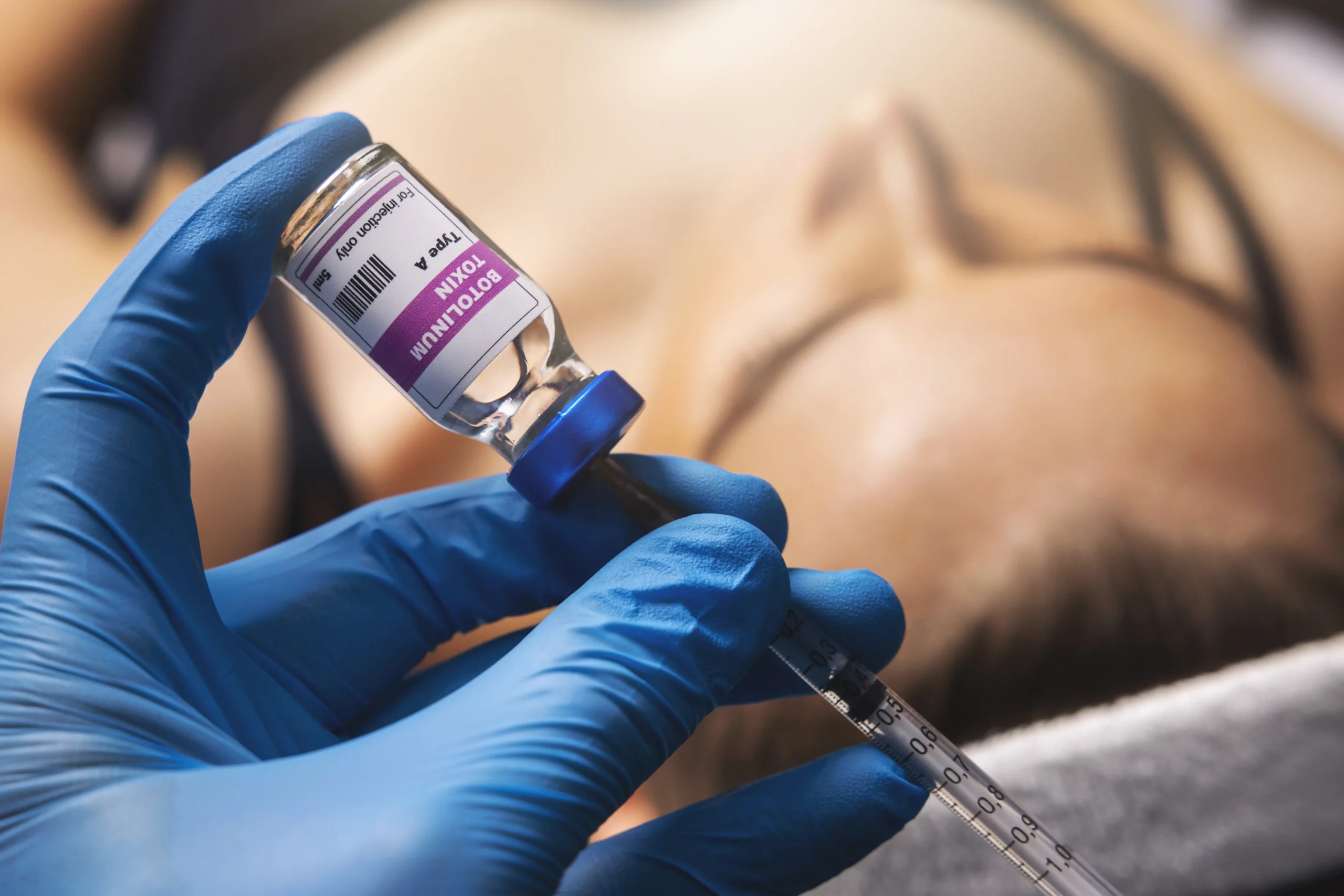
This is why wrinkle prevention becomes an important conversation during this decade. Neuromodulators such as Botox, Dysport, Xeomin, Letybo, and Daxxify can help soften repetitive muscle activity before deeper lines become established.
Prevention Becomes Powerful
One of the biggest advantages of starting treatments in your thirties is the ability to be proactive rather than reactive. Small interventions often produce meaningful results because aging changes are still relatively mild.
Patients frequently focus on maintaining what they already have rather than restoring what has been lost. This approach often requires less treatment over time while helping preserve youthful skin quality.
Your 40s: Collagen Loss Becomes More Noticeable
The forties are often when patients begin seeing more visible structural changes. While collagen loss started years earlier, it becomes increasingly noticeable during this decade.
The skin gradually becomes thinner, elasticity declines, and volume begins shifting throughout the face. The skin changes after 40 typically include both surface and structural concerns.
Facial Volume Starts Declining
One of the most significant changes occurring during this decade is facial volume loss. Fat pads that once supported youthful contours begin shrinking and repositioning.
Areas that previously appeared full and lifted may look flatter or less defined. Patients often notice changes in:
- Cheeks
- Temples
- Under-eye areas
- Jawline definition
- Midface contours
This shift contributes to an appearance that many people describe as tired or less vibrant, even when they feel energetic and healthy.
Skin Elasticity Begins to Decline
Another major hallmark of the forties is reduced skin elasticity. The skin’s support structure becomes less robust as collagen and elastin continue to decline. This can contribute to mild laxity around the cheeks, jawline, and neck.
Unlike wrinkles caused by muscle movement, laxity develops because the skin itself becomes less capable of maintaining firmness. Treatments focused on collagen stimulation often become particularly valuable during this stage.
Biostimulators such as Sculptra and Radiesse encourage the body’s natural collagen production, helping support gradual structural improvement over time.
Pigmentation Often Becomes More Apparent
Years of sun exposure begin catching up with many patients during their forties. Dark spots, uneven tone, and discoloration become increasingly common.
Even individuals who have maintained consistent skincare routines may notice pigmentation changes emerging more prominently. Addressing pigmentation alongside volume loss and skin texture often creates more comprehensive facial rejuvenation outcomes.
Your 50s: Structural Aging Accelerates
The fifties often represent a more significant turning point in facial aging. Hormonal changes, continued collagen depletion, and cumulative environmental damage all contribute to noticeable changes in facial structure and skin quality. The skin changes after 50 tend to involve multiple layers of the aging process simultaneously.
Volume Loss Becomes More Pronounced
By this decade, facial volume loss often extends beyond the cheeks and temples. Patients may notice:
- Hollowing beneath the eyes
- Deepened smile lines
- Marionette lines
- Flattened facial contours
- Reduced jawline definition
At this stage, restoring support becomes an important component of anti-aging treatment planning. Dermal fillers such as Restylane and the RHA Collection may help replace lost volume while maintaining natural facial movement and expression.
The Skin Barrier Weakens
The skin barrier naturally becomes more fragile with age. This can result in increased dryness, sensitivity, and irritation. Many patients find that products they tolerated for years suddenly become less effective or more irritating.
Supporting hydration and barrier function becomes increasingly important for maintaining healthy skin. This is one reason why anti-aging strategies should always include professional skincare recommendations alongside aesthetic treatments.
Neck and Jawline Changes Become More Visible
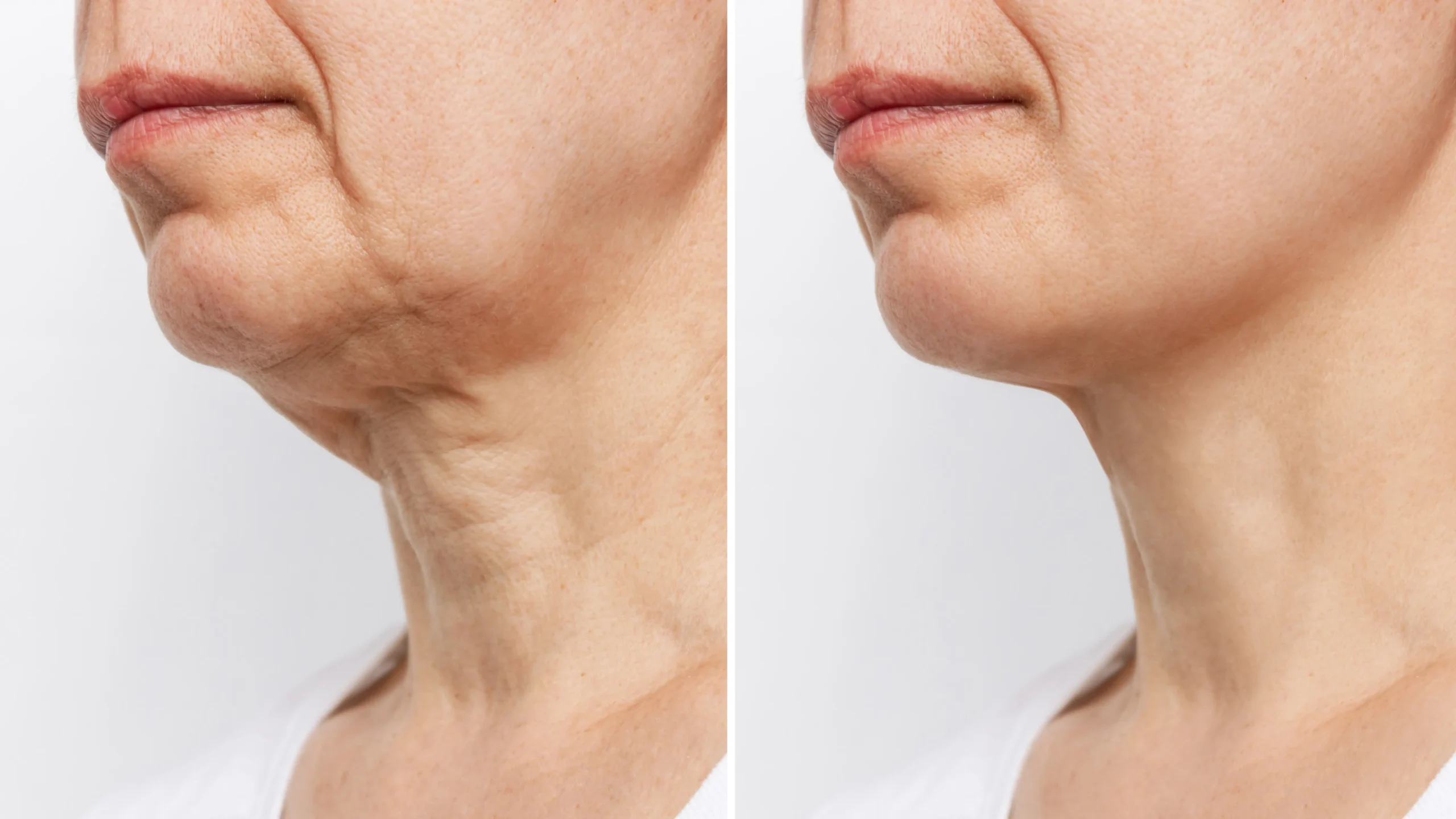
The neck and lower face frequently show aging more prominently during this decade. Reduced elasticity, muscle changes, and volume depletion contribute to softening along the jawline and increased laxity beneath the chin.
These changes are completely normal, but many patients seek treatments that help preserve facial definition and support healthier contours.
Beyond 60: Aging Gracefully, Not Fighting It
By the sixties and beyond, the conversation often shifts from prevention toward preservation and restoration. Patients increasingly prioritize looking refreshed, healthy, and vibrant rather than attempting dramatic transformations.
At this stage, successful anti-aging focuses on supporting skin quality while maintaining facial harmony.
Collagen Support Remains Essential
Although collagen production continues slowing with age, stimulation remains valuable. Biostimulatory treatments can still encourage collagen remodeling and help improve skin quality over time.
Many patients appreciate that these treatments work gradually and complement natural aging rather than dramatically altering facial appearance.
Why Aging Looks Different for Everyone
Two people of the same age rarely age identically. Genetics, lifestyle habits, sun exposure, nutrition, stress, sleep quality, and skincare routines all influence how aging unfolds.
Some patients experience earlier volume loss. Others develop pigmentation concerns first. Some notice wrinkles before laxity becomes apparent. This variability is why personalized treatment planning is so important.
The best anti-aging strategy is never a one-size-fits-all solution. It should evolve alongside the individual’s changing needs and goals.
Aging Is Inevitable. Looking Tired Doesn’t Have to Be.
The skin aging process affects everyone, but understanding what happens during each decade allows patients to make informed decisions about their care. From the earliest skin changes after 30 to the more significant structural shifts that occur later in life, modern anti-aging treatments offer opportunities to support collagen production, maintain skin quality, and preserve natural beauty.
At Magnolia Med Spa in Farmington, CT, patients can explore personalized solutions designed to promote healthy aging, confidence, and long-term facial rejuvenation at every stage of life.
Call us today to schedule your consultation!